Biography
Ingemar Herbert Paul Olsson
A seasoned artist, singer and songwriter since the 1960s – pop music with sharp lyrics about love, people, God and politics, blended in his own singular way.
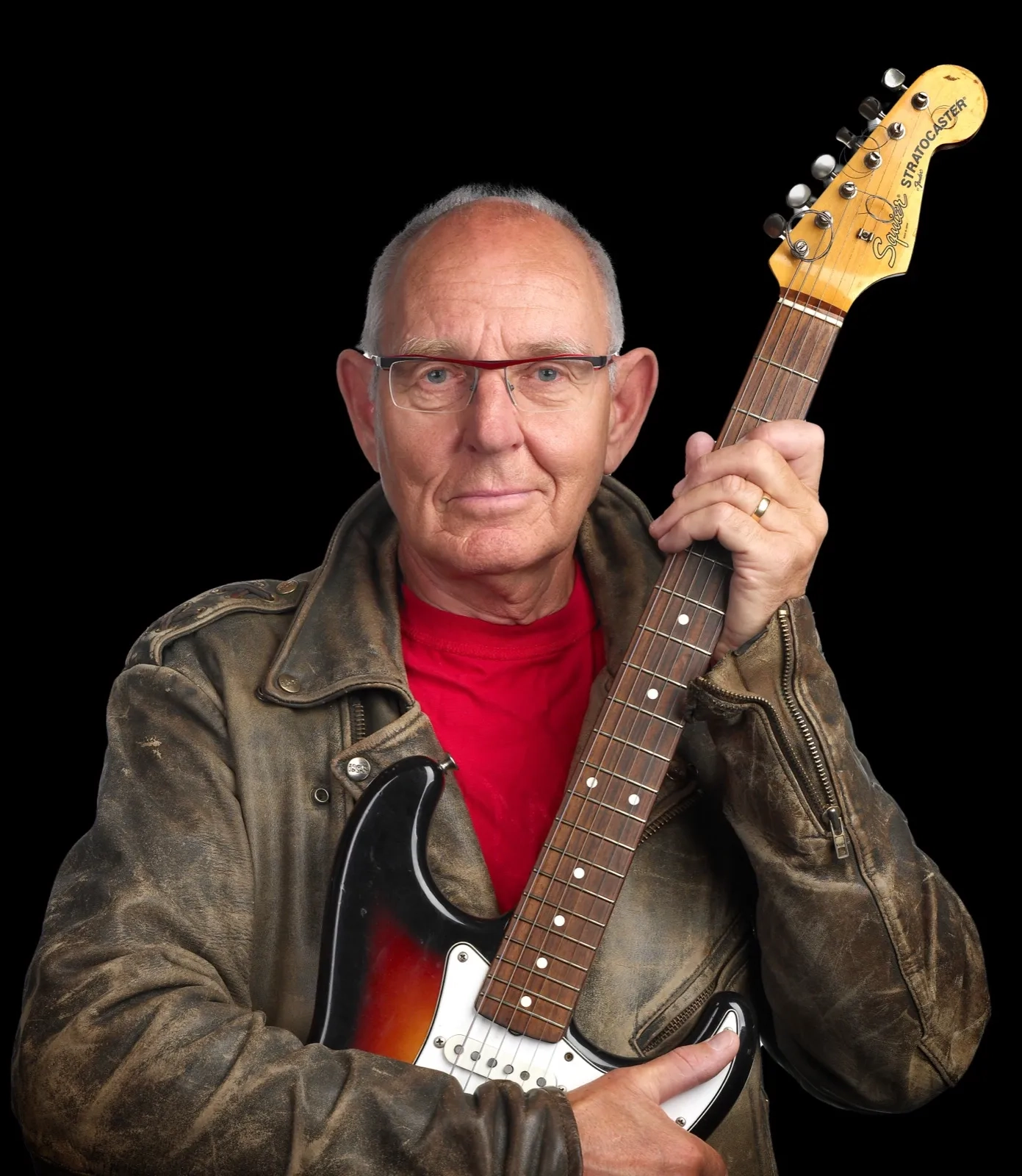
Touring Europe, the Americas, Asia and Africa since the 1960s. Some twenty albums with around 180 original songs, along with a number of translations of Dylan, Mitchell, Lennon and McCartney among others – recorded in Stockholm, Hollywood and Johannesburg, to name a few.
Several songs have charted on Svensktoppen, Sweden’s radio chart, and one reached number one on the Danish chart (Du er værdifuld). The same song – Du vet väl om att du är värdefull (“You Are Invaluable”) – is Carola’s most-streamed track on Spotify and Ingemar’s best-known song in Sweden.
Ever since his first LP in 1970, Ingemar has surrounded himself with distinguished musicians: Janne Schaffer, Per-Erik Hallin (Elvis Presley’s pianist), the Andraé Crouch Singers (Michael Jackson’s backing vocalists), Ola Brunkert and Per Lindvall (ABBA’s drummers), Backa Hans Eriksson (bassist for Ulf Lundell and Povel Ramel), and the vocal groups Edin-Ådahl and the Rongedahl brothers, to name a few.
1947–
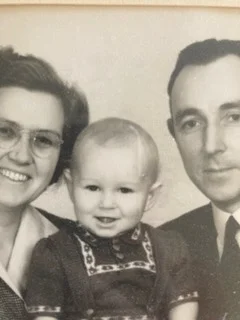
Ingemar Herbert Paul Olsson is born on February 24, 1947, in Norrköping and grows up in Hässelby, Stockholm.
The 1960s
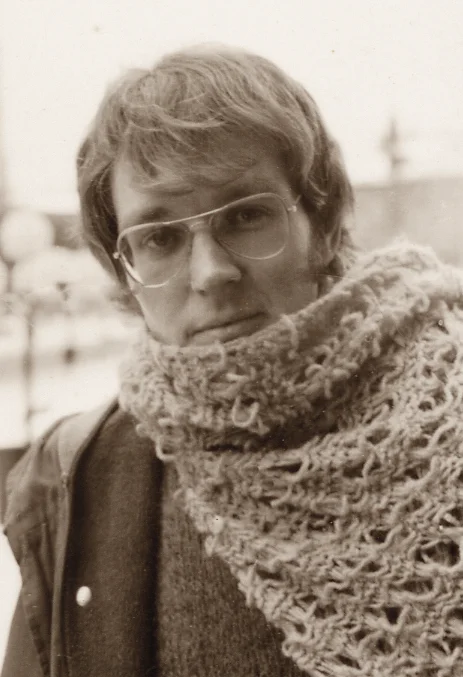
Ingemar Olsson attends Adolf Fredrik’s Music School while singing and playing guitar in the Stockholm band The Sounds: school dances, pop clubs and festivals. Together with the band’s bassist Ulf Widding, he writes part of the repertoire – pop songs with English lyrics about young love.
Struck by the question of life’s meaning, he starts studying theology, falls in love, hitchhikes around Sweden, Europe and the US, dresses as he pleases and says what he thinks – and keeps making music. More and more of his lyrics are written in Swedish.
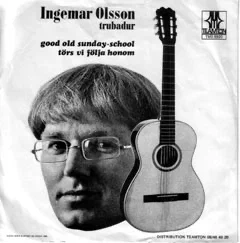
Singles from 1960–1969
The 1970s
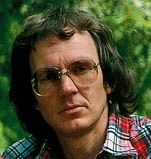
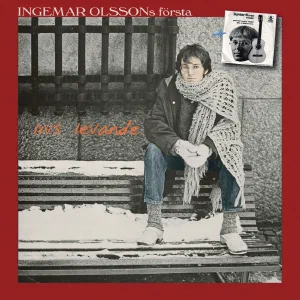
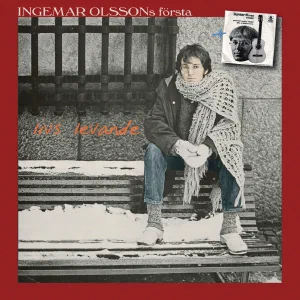
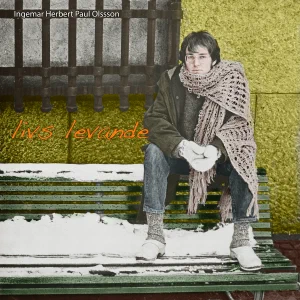
“Discovered” by a record label, he makes his debut LP Livs Levande (1970), produced by Claes af Geijerstam, and causes a stir as a pop artist with his own lyrics about Jesus, politics, life and love, in an entirely unique blend. He marries and has children, lives in an extended household, and gains more experience as a musician and stage performer. Radio and television.
He becomes an alternative role model for a young generation: jeans, clogs and long hair, aviator glasses, a guitar on his back and a Bible in his back pocket. The music is still melodic pop, now touched by both Latin America and Black gospel. Bigger and more numerous themes find their way into the lyrics.
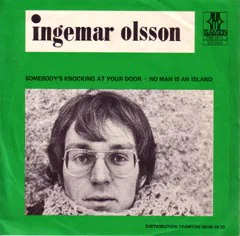
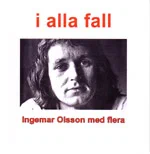
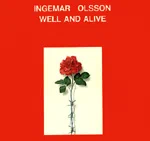
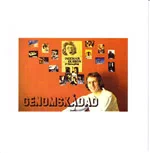
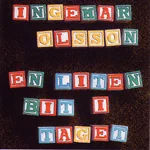
Albums and singles from 1970–1979
The 1980s
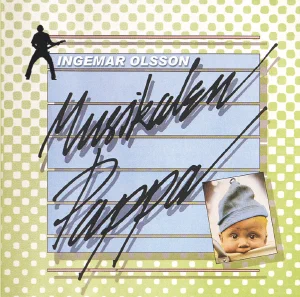
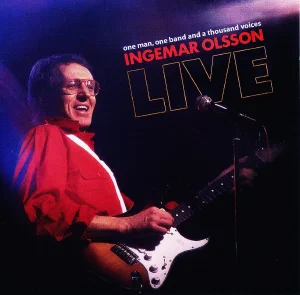
Tours across Europe with his own band. The musical Pappa is released on record and staged around the Nordic countries. The song “Du vet väl om att du är värdefull” (“You Are Invaluable”) is included in the Swedish hymnal. Youth choirs sing Ingemar’s songs and invite him to joint concerts – one such concert, at the Stockholm Concert Hall, is released as the live album Rockpoet med 1000 röster (“Rock Poet With 1,000 Voices”).
Performs at festivals in Europe and the US. Visits humanitarian aid work in Pakistan. Hosts music festivals at Scandinavium in Gothenburg and the Globe Arena in Stockholm. His own peace show – songs, sketches and filmed interviews with, among others, Olof Palme and Tage Danielsson. Recordings made in Sweden and the US. The music video “Högre rymd” airs on TV.
Ingemar’s songs prove to have staying power and are sung by people in many countries. Critics call him both “timeless” and “immortal”.
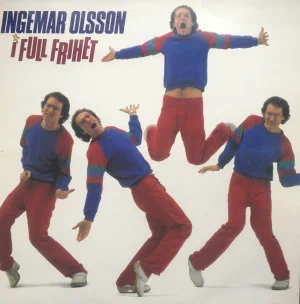
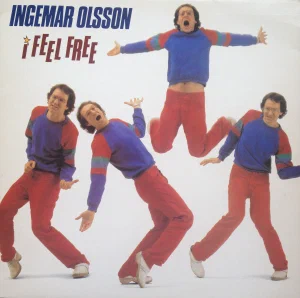
Albums and singles from 1980–1989
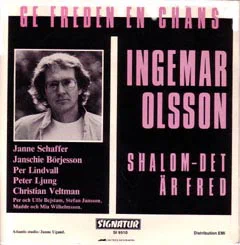
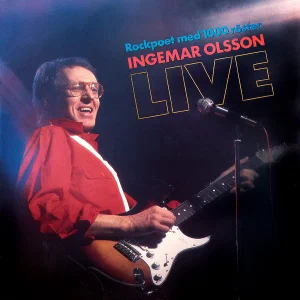
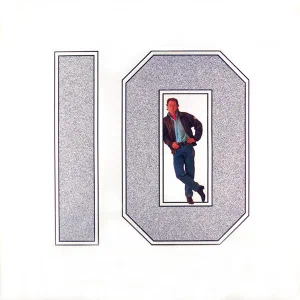

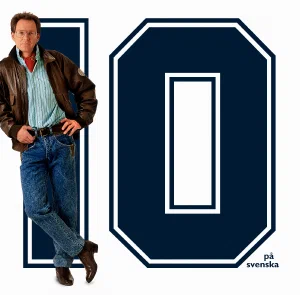
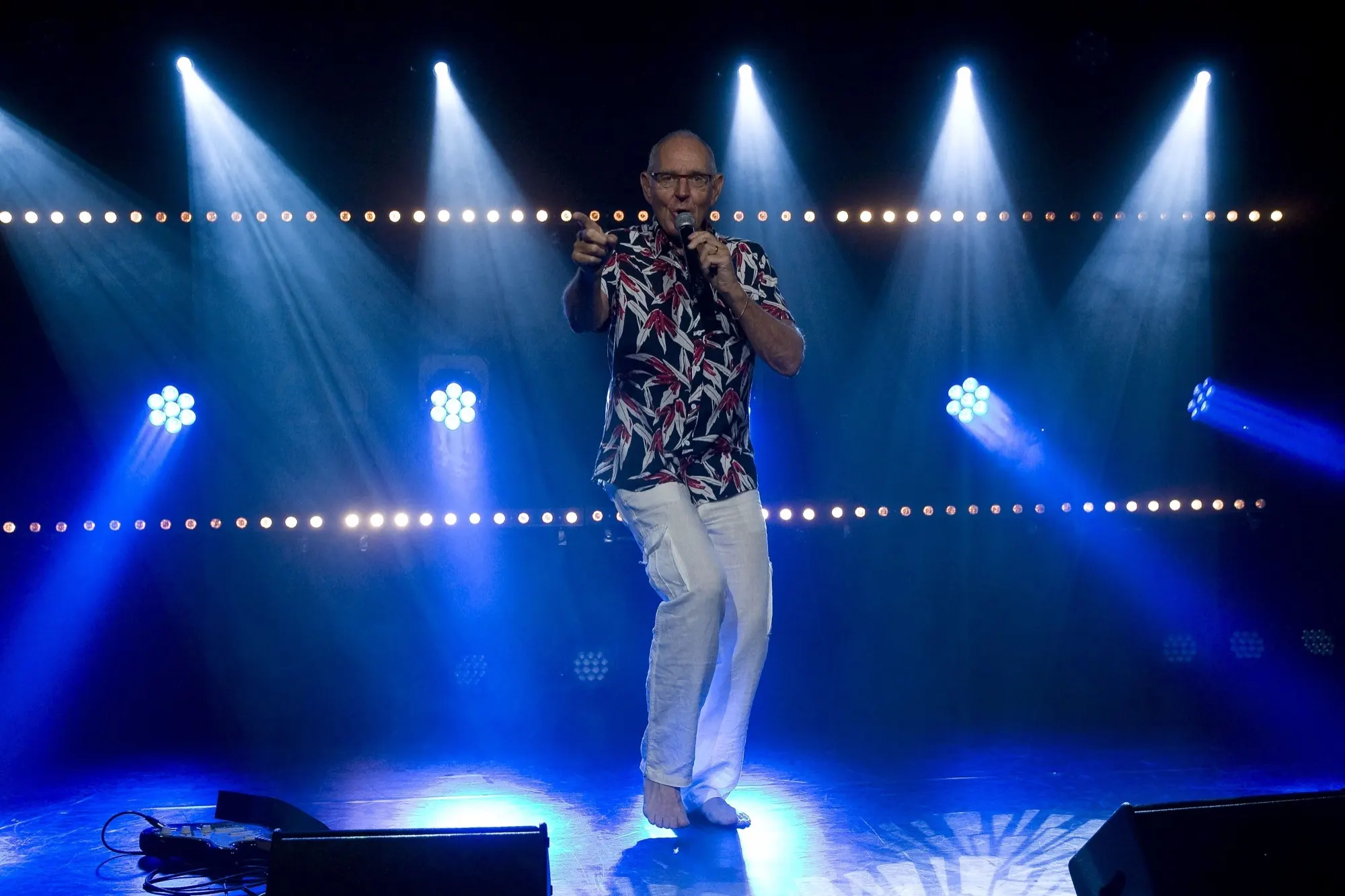
On stage since the 1960s
Europe · The Americas · Asia · Africa
Photo: Dirk WalravenThe 1990s
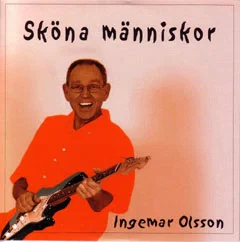
A three-week concert tour of the Philippines, combined with visits to farmers, sugar workers, political prisoners, Christian groups, cooperatives and trade unions, leaves its mark on both his life and his lyrics. He performs at a festival in Zimbabwe and discovers South African pop music – touring and recording with South African singers and musicians in southern Africa and in Scandinavia.
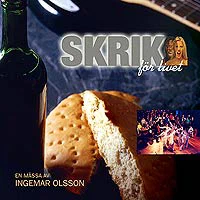
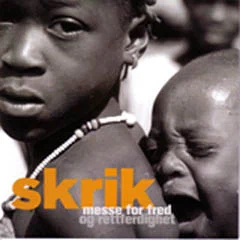
More English-language recordings follow in collaboration with the writer Jeffrey D. Jones. 18 songs, collected under the title Skrik för livet (“Cry for Life”), become a mass for peace and justice, with singers, dancers, a priest and congregation – pop, fusion and gospel in Ingemar’s own signature style. All the songs are recorded and released on CD.
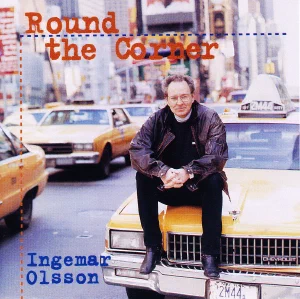
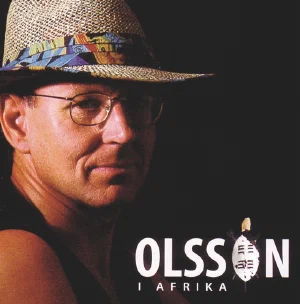
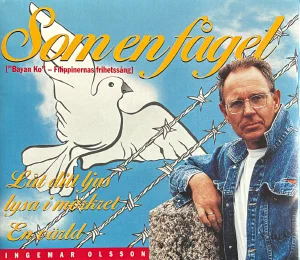
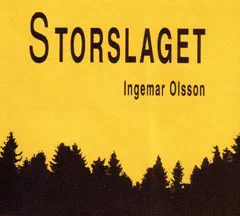
Albums and singles from 1990–1999
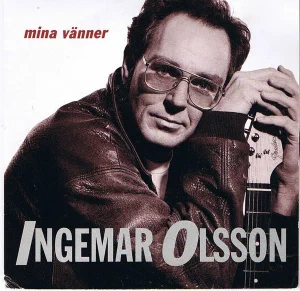
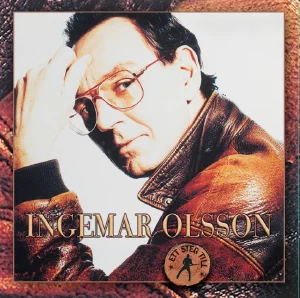
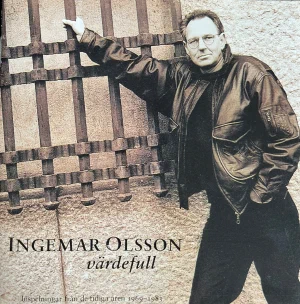
The 2000s
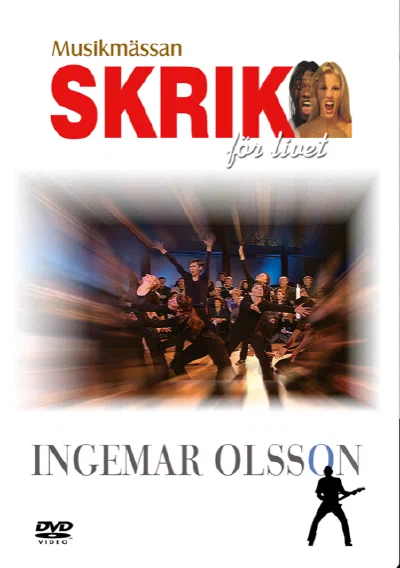
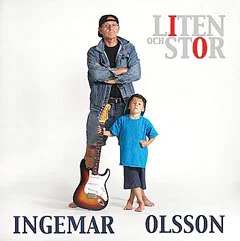
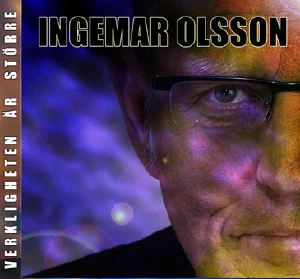
A big band arranges Ingemar’s songs and makes him a guest artist at a number of concerts. Skrik för livet is broadcast on Swedish TV, translated and performed in English, Spanish, French and Norwegian, and recorded on CD in Norway and Guatemala. Four songs – Liten och stor, Rock’n roll är musiken, Som din mamma and Verkligheten är större – stay on Svensktoppen for several months. Ingemar also appears on Swedish public television’s Minns du sången (1998–2000).
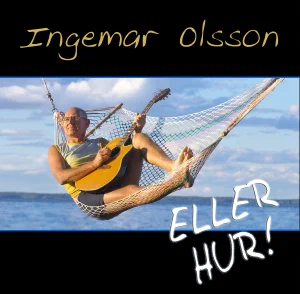
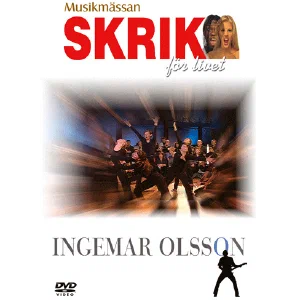
A month-long tour – Verkligheten är större – with a ten-piece band and dance troupe on stage and Per Johansson’s photographic art in the auditorium. A photo feature in Nerikes Allehanda (November 2002). The album Eller hur! follows in 2005, the DVD Skrik för livet in 2009 – followed by more tours, concerts, radio and TV, a return trip to Africa and his first concerts in Thailand.
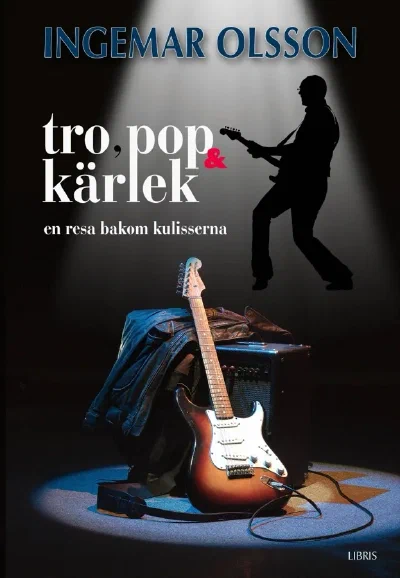
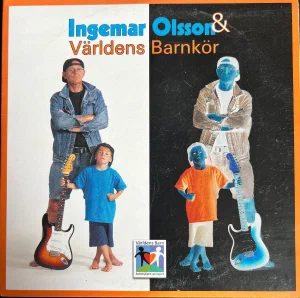
The songbook Sånger (“Songs”), with 71 songs, is published together with the autobiographical book Tro, pop & kärlek (“Faith, Pop & Love”). Ingemar founds the “World’s Children’s Choir” and gives several concerts for Radiohjälpen’s charity appeal Världens Barn (“Children of the World”).
Albums and singles from 2000–2009
The 2010s
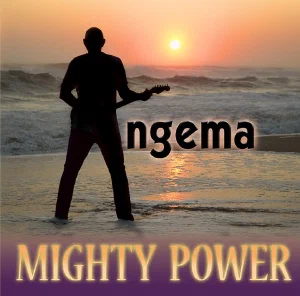
Back in South Africa, where the band nicknames him Ngema, Ingemar records English translations of his Africa-inspired songs: the CD Mighty Power, recorded in Johannesburg, and three music videos – Welcome to Africa, Mighty Power and Sun, Water and Wind – filmed in Margate.
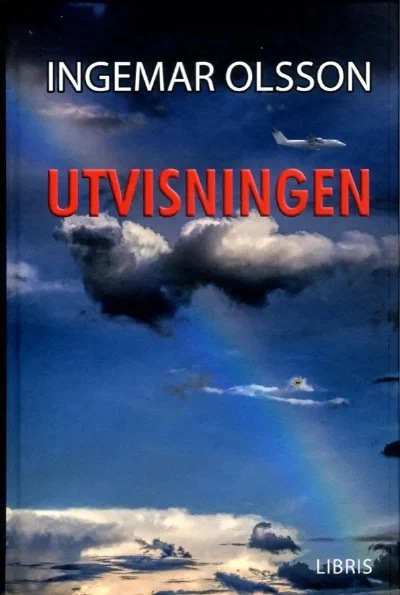
In 2012, Ingemar takes a part-time (25%) post as pastor of Ängebykyrkan in Fellingsbro, a congregation with hundreds of refugees and asylum seekers from all over the world, and finds himself swept into a whirlwind of fast-moving events, forced to contend with Swedish and foreign authorities, religions, police forces and honor cultures. The experience becomes the thriller Utvisningen (“The Deportation”).
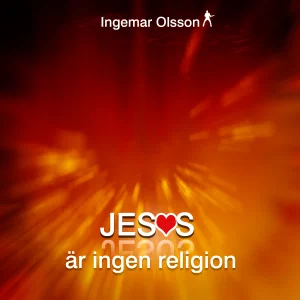
Ingemar sees more clearly than ever that Sweden is no paradise and that religion is one of the world’s biggest problems – in his mind, the idea for a new song is born: “Jesus är ingen religion” (“Jesus Is Not a Religion”).
Albums and singles from 2010–2014
2015–2016
Ingemar puts together a band – the best he knows – goes into a studio and records 38 songs he wrote in the 1970s. The first 13 become the album Nytolkat (“Reinterpreted”). One of the songs, a 1971 translation of Woody Guthrie’s “This Land Is Your Land” (1940), becomes the music video “Det här är ditt land” (“This Is Your Land”).
In 2016, a further 13 newly recorded “retro songs” are released on CD, Spotify and iTunes: Kom igen (“Come On”). At the same time, two newly written singles appear – “Jesus är ingen religion” and its English counterpart “Jesus Is Not a Religion”, filmed with a dance troupe in New Delhi with footage from Africa, the Americas and Europe. Late the same year comes the third and final album in the retro series: Spegelvänd (“Mirrored”).
Albums and singles from 2015–2016

2017 and onwards
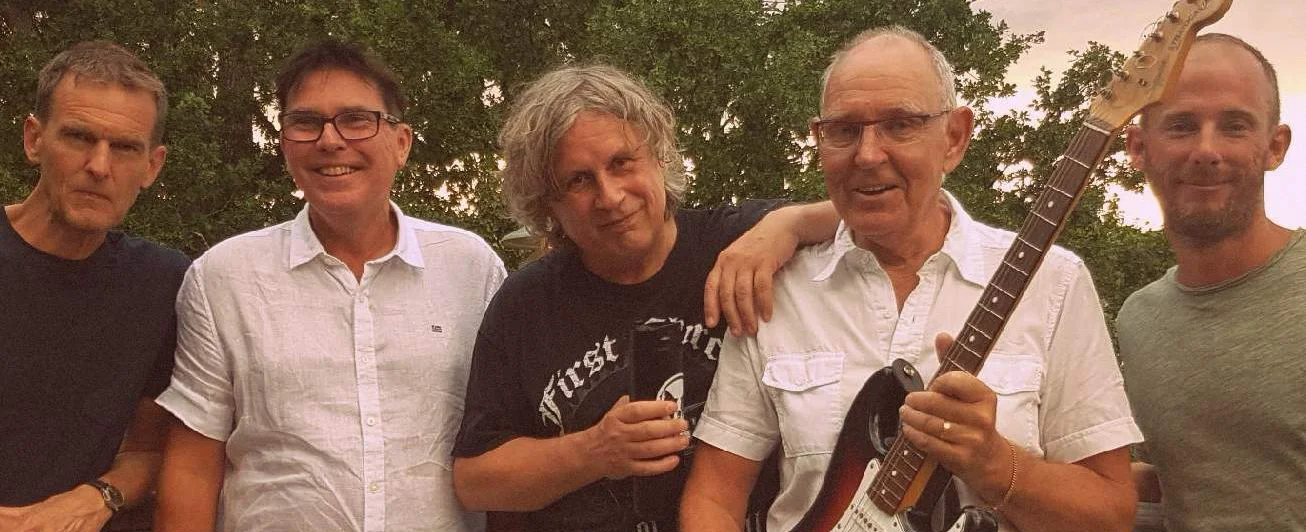
On Tour
2018
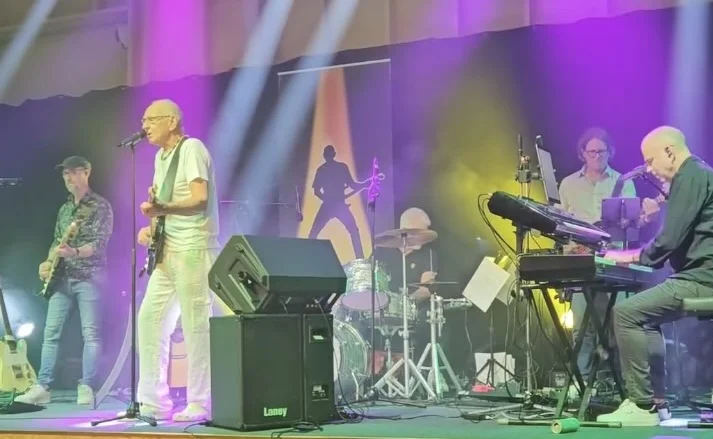
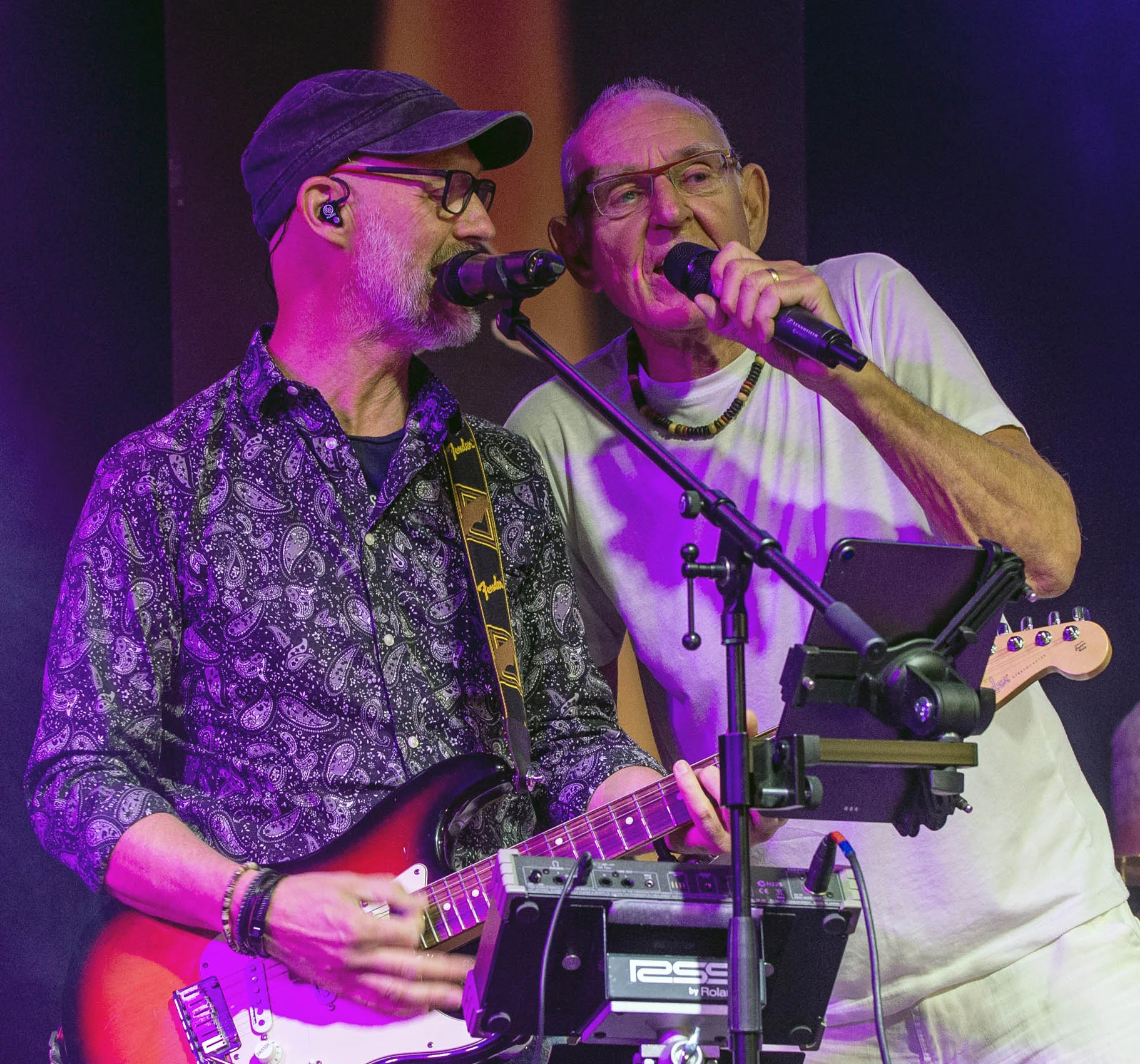
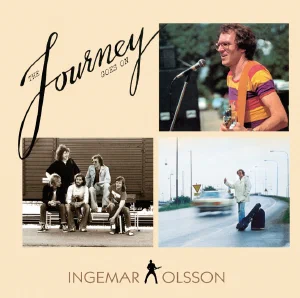
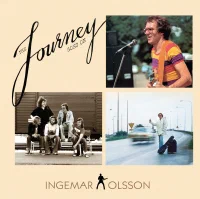
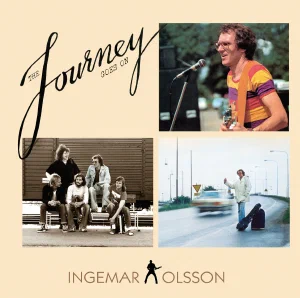
In the fall of 2017, Ingemar goes into Studio St1 in Stockholm and re-records the vocals for the ten songs he recorded at United Western Studios in Hollywood in 1978. The backing tracks, musicians and backing singers are those of the LP Journey, now with a new digital mix and mastering: The Journey Goes On.
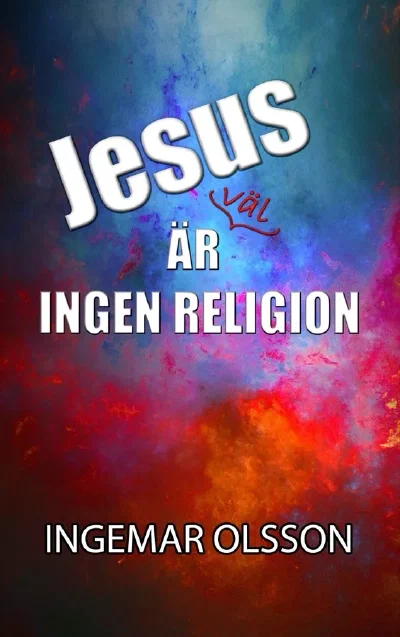
In 2019 comes the book Jesus är väl ingen religion (“Surely Jesus Is No Religion”), drawn from Ingemar’s travels around the world, his close struggle with himself and the world’s many ideologies … and Jesus.
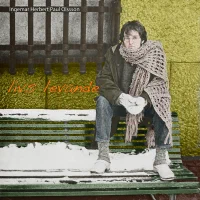
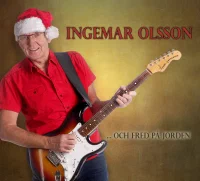
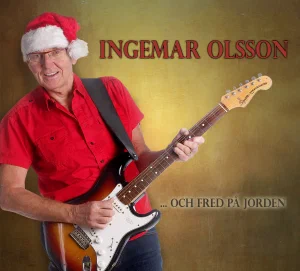
The anniversary year – 50 years as an artist – opens with Livs levande, Ingemar’s digitized debut LP. The music is identical to the 1970 original, but Ingemar now sings every song in Swedish; fifty years earlier, seven of them were in English. (“Mrs Robinson,” for example, is now “Fru Robertsson,” and “No Man Is an Island” has become “Ingen är en ö.”) The same year also brings a Christmas album with newly written songs (“Och fred på jorden”, “Det finns inget större än ett litet barn”) and newly translated classics (John Lennon’s “Julen är nära”, Schubert’s “Eva Maria”, Adam’s “Härliga natt” and others).

2020 becomes a year of 30 solo concerts, 15 concerts with a band and 5 concerts with local choirs and musicians, along with studio work in Swedish and English for upcoming albums.
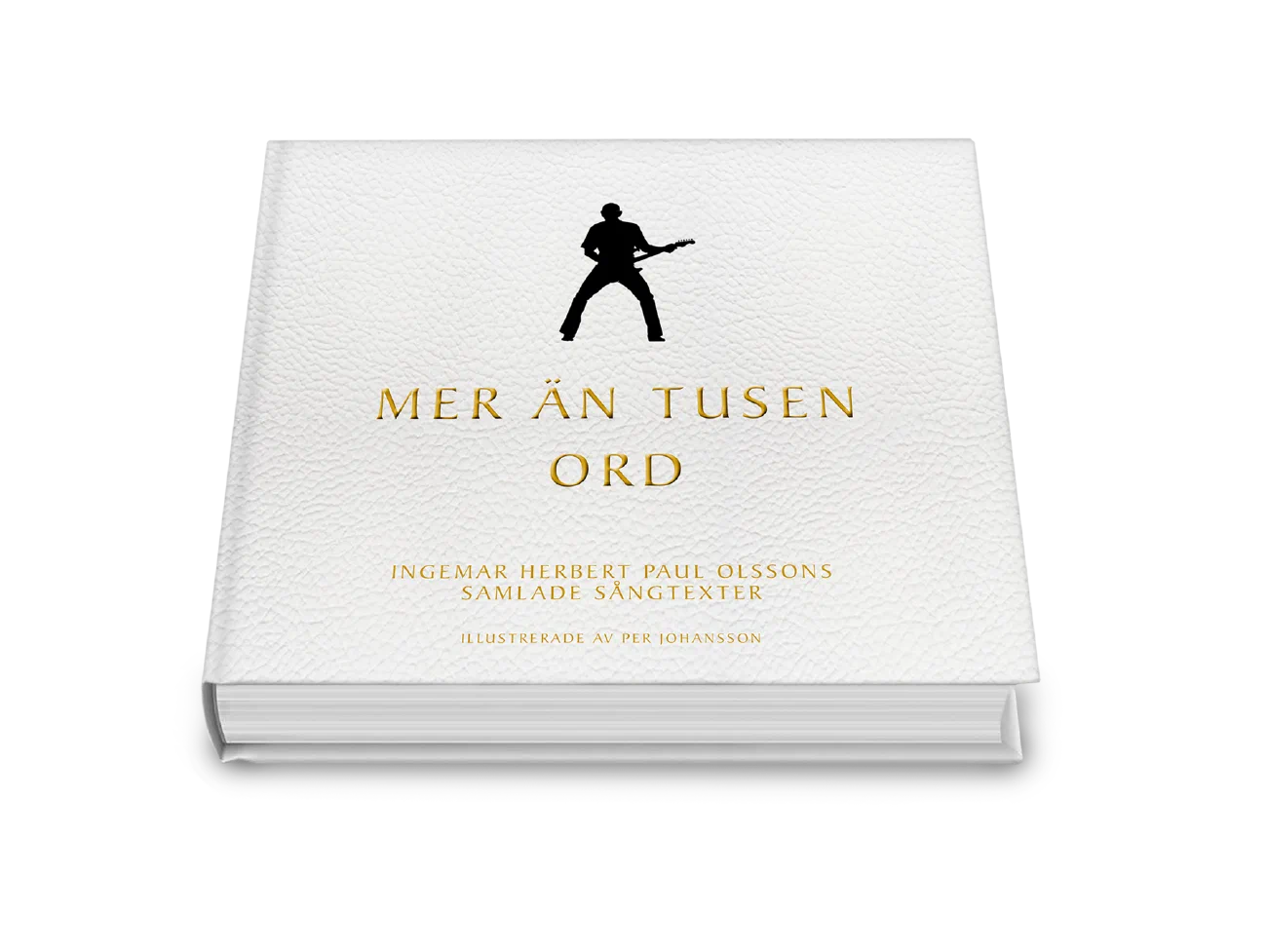
The same year sees the book Mer än tusen ord (“More Than a Thousand Words”), which gathers Ingemar’s 182 song lyrics and 100 color photographs in an illustrated, 232-page volume.
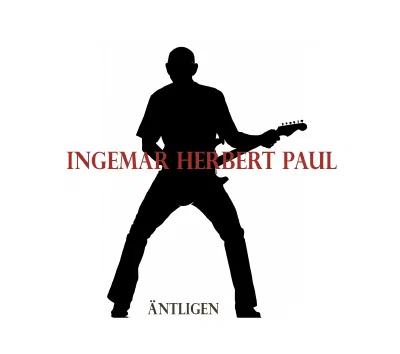
And after the pandemic and many hours in several different studios, Äntligen (“At Last”) finally arrives – ten new songs in Swedish.
Albums from 2017–2022
2023–2026
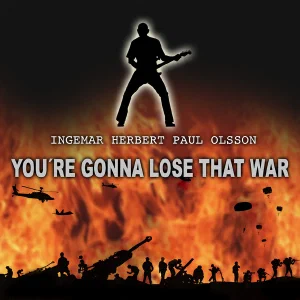
A current single, “You’re Gonna Lose That War” (music and lyrics: Ingemar Olsson), is a Beatles-esque pop song aimed at every overbearing and brutal ruler, dictator and despot – recorded with Per Lindvall (drums), Lars Danielsson (bass), Staffan Astner (guitar), Jörgen Ingeström (keyboards) and Frank Ådahl (backing vocals).
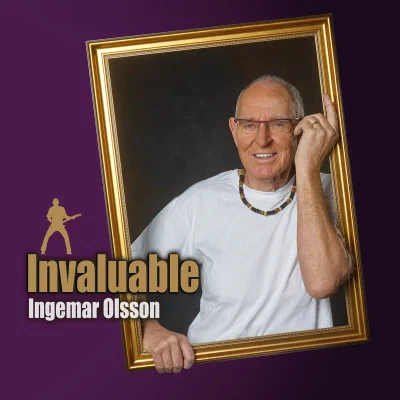
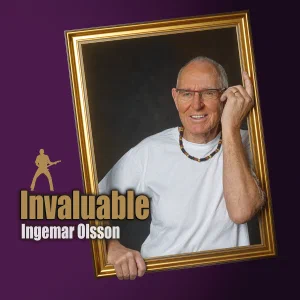
Two new English-language albums take shape. The musicians are, as usual, Ingemar’s favorites: Astner, Backa, Hallin, Ingeström, Lindvall, Ådahl. The songs are released as singles until everything is recorded and finished. The first album is titled Invaluable and contains 10 of Ingemar’s best-known Swedish songs, now with English lyrics.
The second album will likely be called IO X. Three of its songs have been released as singles so far.